How Often Should You Really Wash Your Bra? The Answer Might Surprise You
· eris
Most people wouldn’t dream of wearing the same underwear for several days without washing it, but when it comes to bras, the rules suddenly seem much less clear, with some women washing them after every use while others admit to wearing the same one for weeks.
A surprising conversation on social media has now reignited the debate about how often bras actually need cleaning, after a British woman discovered that one of her friends washed hers just once a year.
The revelation left TikTok user Desyr completely stunned, prompting her to share the unusual confession online and ask other women about their own laundry habits, only to discover that opinions on the subject were remarkably different.
While some commenters explained that they washed their bras every few days, others admitted that they regularly wore the same one for several weeks, particularly when it still looked clean and didn’t have an unpleasant smell.
The discussion quickly raised an interesting question that many people have probably wondered about but rarely ask openly: how many times can you wear a bra before it genuinely needs washing?
According to lingerie expert Vanessa de Vusyt, who works with several Belgian underwear brands, the general recommendation is to wash an everyday bra after approximately two or three wears, although the exact frequency depends on personal circumstances.
The reason is relatively simple, because bras sit close to the skin for hours at a time and regularly come into contact with sweat, natural body oils, dead skin cells and other substances that gradually accumulate in the fabric.
Even when a bra appears perfectly clean, these invisible deposits can build up over time, particularly around the band and areas close to the armpits, where perspiration is often more noticeable.
Wearing an unwashed bra for too long may contribute to unpleasant odours and skin irritation, especially for people with sensitive skin or those who perspire heavily throughout the day.
However, the recommendation to wash a bra after two or three wears should not be treated as an absolute rule, because someone who spends a quiet day indoors may have very different laundry needs from someone who exercises, works outdoors or experiences particularly warm weather.
During summer, for example, higher temperatures often mean increased sweating, making it sensible to wash bras more frequently than during cooler months.
Sports bras are another exception, as they typically absorb considerably more perspiration during exercise and should generally be washed after each workout rather than worn repeatedly.
One reason many women avoid washing their bras too often is the belief that frequent cleaning damages the delicate materials, causing elastic bands to stretch, straps to lose their shape and underwires to become uncomfortable.
There is some truth to the concern, particularly when bras are washed using unsuitable settings or exposed to excessive heat, but the solution is not necessarily to avoid washing them altogether.
Instead, lingerie specialists recommend using a gentle washing programme and following the care instructions provided by the manufacturer, allowing bras to be cleaned without unnecessarily damaging their structure.
For many washable bras, a delicate cycle at approximately 30 degrees Celsius is suitable, although some designs require handwashing because of their fabrics, padding or decorative details.
Placing bras inside a mesh laundry bag can provide additional protection during machine washing, while fastening the hooks beforehand helps prevent them from catching on other garments.
Using a mild detergent and avoiding aggressive washing products may also help preserve delicate fabrics and elastic components, particularly when the garments contain lace or specialised materials.
Another important consideration is drying, because placing bras in a tumble dryer can expose elastic fibres and padded cups to temperatures that may gradually damage their shape.
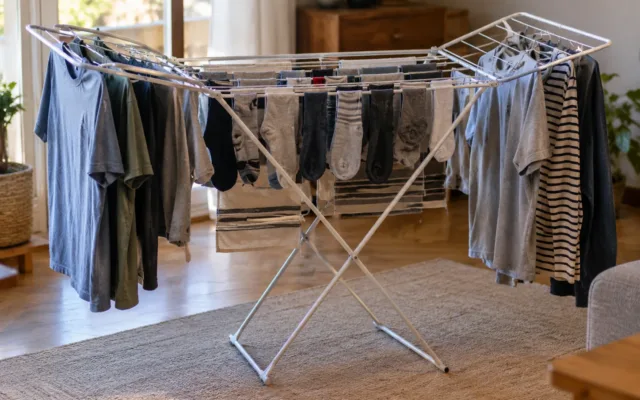
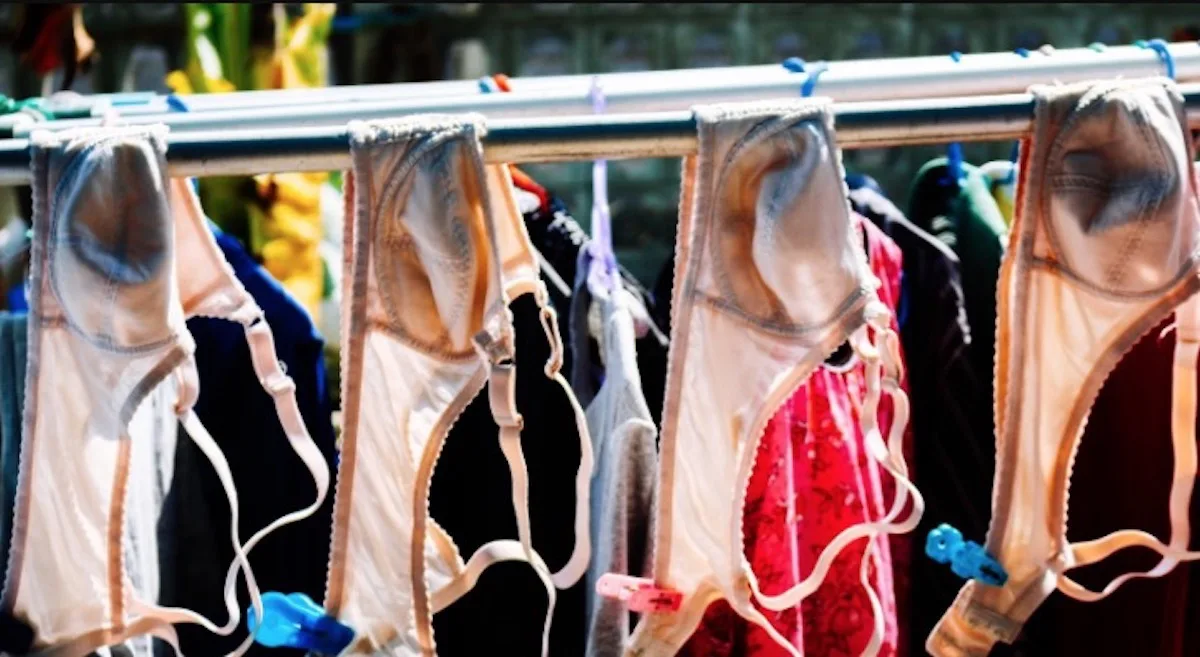
Air-drying is generally a gentler option, ideally with the garment positioned so that the cups and straps are not unnecessarily stretched while the fabric dries.
Interestingly, the way bras are stored can also influence how long they remain comfortable and maintain their original appearance.
De Vusyt warns against folding moulded cups inside one another, a common habit that may seem convenient when organising drawers but can place unnecessary pressure on the material and eventually distort the cups.
Instead, she recommends storing bras open and arranging them neatly together, allowing the cups to maintain their natural shape without being compressed.
Having several bras available for regular rotation can also help reduce wear, because the same garment does not have to be worn and washed continuously throughout the week.
Ultimately, there is no universal washing schedule that works perfectly for everyone, but the idea of wearing the same everyday bra for months without cleaning it is difficult to justify from a hygiene perspective.
For most people, washing after two or three wears provides a reasonable starting point, with more frequent cleaning whenever the garment becomes sweaty, dirty or uncomfortable.
And if your favourite bra has been sitting in your wardrobe for weeks without seeing the inside of a washing machine, this might be a good moment to reconsider your laundry routine.