Never Put These 10 Things in Your Tumble Dryer — You Could Be Ruining Your Clothes Without Realising It
· eris

A tumble dryer can make everyday life considerably easier, especially during the colder months when washing takes forever to dry, but laundry experts warn that some everyday clothing items and household products should never be placed inside the machine because the combination of heat and constant movement can cause permanent damage before you even realise something has gone wrong.
Although modern tumble dryers come equipped with different temperature settings, delicate programmes and advanced sensors designed to protect fabrics, these features do not guarantee that everything in your laundry basket can safely withstand machine drying, particularly when materials contain elastic fibres, adhesives or delicate decorations that react badly to heat.
Many people only discover the problem after opening the dryer and finding that their favourite jumper has shrunk, an expensive piece of clothing has lost its shape or a household item has started falling apart, even though these frustrating situations can often be avoided by checking the care label and choosing a gentler drying method.
One of the most commonly overlooked items is the everyday bra, which may appear strong enough to survive a normal drying cycle but often contains elastic materials, delicate lace, moulded cups and underwires that can gradually deteriorate when exposed to repeated heat and tumbling.
As the elastic fibres weaken, bras may lose their ability to provide proper support, while padded cups can become misshapen and underwires may bend, meaning that even an expensive, well-fitting bra could become uncomfortable or unusable after repeated trips through the dryer.
Tights and pantyhose are another surprising example, because their thin synthetic fibres are particularly vulnerable to heat, and the constant movement inside the drum can encourage snagging, stretching and damage that makes them more likely to develop ladders.
Instead of placing these delicate garments in the dryer, it is generally better to wash them carefully, preferably inside a protective laundry bag when using a washing machine, and allow them to dry naturally where they will not become tangled with other clothes.
Swimwear also deserves special attention, particularly because bikinis and swimsuits are designed to withstand water but are not necessarily able to tolerate the high temperatures generated by a tumble dryer, which can weaken the elastane fibres responsible for keeping the fabric flexible and close-fitting.
Over time, repeated exposure to heat can cause swimming costumes to become loose, lose their original shape or develop faded colours, making it preferable to rinse them after swimming, gently remove excess moisture and leave them to dry away from direct sunlight.
Wool and cashmere jumpers are among the most expensive laundry mistakes people can make, as these natural fibres can react dramatically to the combination of moisture, heat and mechanical movement, sometimes causing a beautifully soft jumper to shrink so severely that it becomes impossible to wear.
The problem occurs when wool fibres become entangled and compressed through a process known as felting, which can leave the garment smaller, thicker and considerably less flexible than it was before washing.
Although some wool garments are specifically designed to tolerate machine drying on approved programmes, ordinary wool and cashmere clothing should generally be dried flat on a clean towel after excess moisture has been gently removed, helping the fabric maintain its original dimensions without stretching.
Another household item that requires caution is the bathroom mat, particularly those fitted with rubber or latex backing to prevent slipping on wet floors, because excessive heat can cause these protective layers to crack, crumble or separate from the fabric.
Once the backing begins to deteriorate, small pieces of material can break away inside the drum, potentially damaging the dryer or creating maintenance problems, while certain rubber-backed items may also present a safety concern if exposed to temperatures beyond their recommended limits.
Clothing decorated with sequins, glitter, beads or glued-on ornaments should also be treated carefully, since the repeated tumbling motion can loosen decorative elements, damage delicate stitching and cause embellishments to catch on other garments.
Heat can also weaken the adhesives used to attach certain decorations, meaning that a dress or blouse that looked perfect before washing could emerge with missing details, damaged fabric or decorations scattered throughout the machine.
Sneakers and sports shoes are another common source of laundry mistakes, particularly when people want to dry their footwear quickly after washing or getting caught in heavy rain, because many modern shoes contain glued components that can weaken when exposed to excessive heat.
The soles may begin separating from the upper material, protective cushioning can become distorted and the overall structure of the shoe may change, potentially affecting both comfort and durability.
Unless the manufacturer specifically confirms that a particular pair of shoes is suitable for machine drying, a safer approach is to remove excess moisture, place absorbent paper inside the footwear and allow it to dry naturally in a well-ventilated location.
Leather, suede and artificial leather should generally be kept away from tumble dryers altogether, as the heat can remove natural moisture from genuine leather, damage the soft surface of suede and cause synthetic leather coatings to crack or peel.
These materials often require specialised cleaning and conditioning products rather than ordinary laundry treatment, and exposing them to the wrong drying conditions can produce permanent changes that are difficult or impossible to repair.
Silk is another delicate fabric that deserves careful handling, because its smooth texture and attractive appearance depend on fibres that can be damaged by excessive temperatures, harsh detergents and prolonged mechanical movement.
Depending on the garment’s construction and care instructions, silk clothing may need professional cleaning or gentle hand washing, followed by careful air drying away from direct sunlight to preserve its appearance.
Artificial fur, commonly found on winter jackets, coat collars and decorative clothing, can also suffer significant damage in a tumble dryer because the synthetic fibres may become distorted, clump together or lose the soft texture that makes the material appealing.
Once these fibres have been damaged by excessive heat, restoring their original appearance can be extremely difficult, which is why garments containing faux fur should generally be dried naturally unless the manufacturer’s instructions specifically permit another method.
While these ten examples cover many of the most common laundry mistakes, there is another important safety warning that should never be ignored: clothing, towels or cleaning materials contaminated with cooking oil, petrol, solvents or other flammable substances can create a serious fire hazard if placed in a tumble dryer.
Some oily residues can remain in fabrics even after washing, and heat may cause them to ignite under certain conditions, making it essential to follow appliance safety instructions and avoid machine drying contaminated items unless they have been cleaned appropriately and are confirmed safe.
The simplest way to protect your clothing is to examine the care label before drying, where a square containing a circle indicates tumble-drying instructions, while the same symbol crossed out means that the item should not be placed in the machine.
Even when tumble drying is permitted, the dots inside the symbol indicate the recommended heat level, so choosing the correct programme can make a significant difference to how well clothing maintains its shape, texture and appearance over time.
If the label is missing or you are uncertain about the material, allowing the garment to dry naturally is often the safer option, particularly for expensive clothing, delicate fabrics or items that contain several different materials.
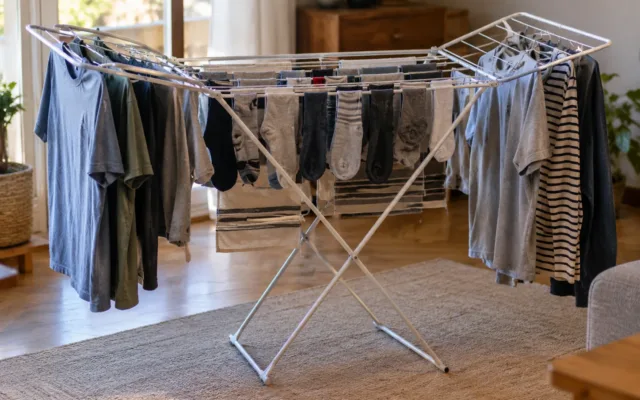
Although air drying may require a little more patience, it can help reduce unnecessary wear, lower electricity consumption and extend the lifespan of clothing that might otherwise need replacing much sooner than expected.
And while throwing everything into the tumble dryer may seem like the easiest solution after a busy day, taking a few extra seconds to separate delicate items could prevent expensive mistakes and help keep your favourite clothes looking their best for years to come.